Midlife Metabolism Explorations
Detailed articles examining specific aspects of energy regulation and physiological changes after age 40
Featured Articles
Explore in-depth explanations of physiological mechanisms, research summaries, and scientific context related to metabolic changes during midlife.
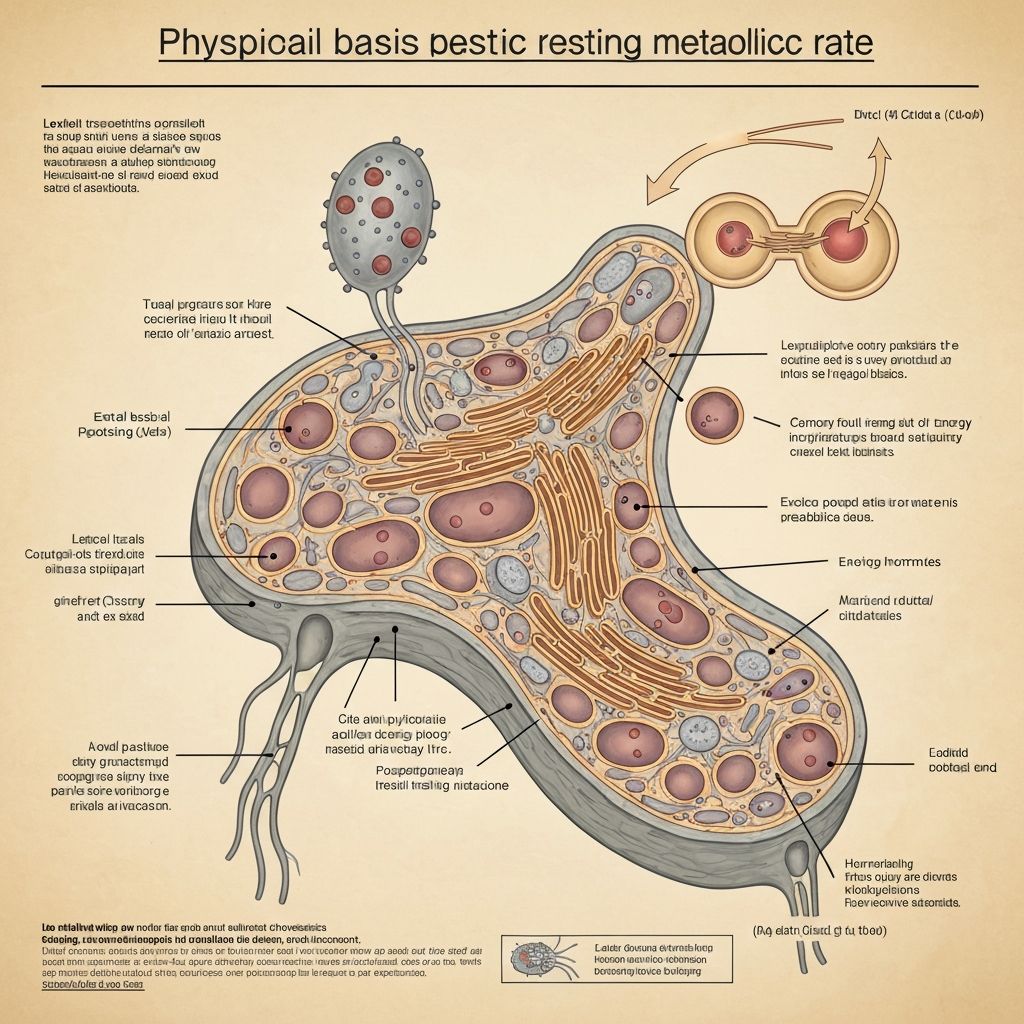
Physiological Basis of Resting Metabolic Rate Decline After 40
Explore the cellular and hormonal mechanisms underlying resting metabolic rate changes, including mitochondrial function, thermoregulation, and energy production pathways.
Read article →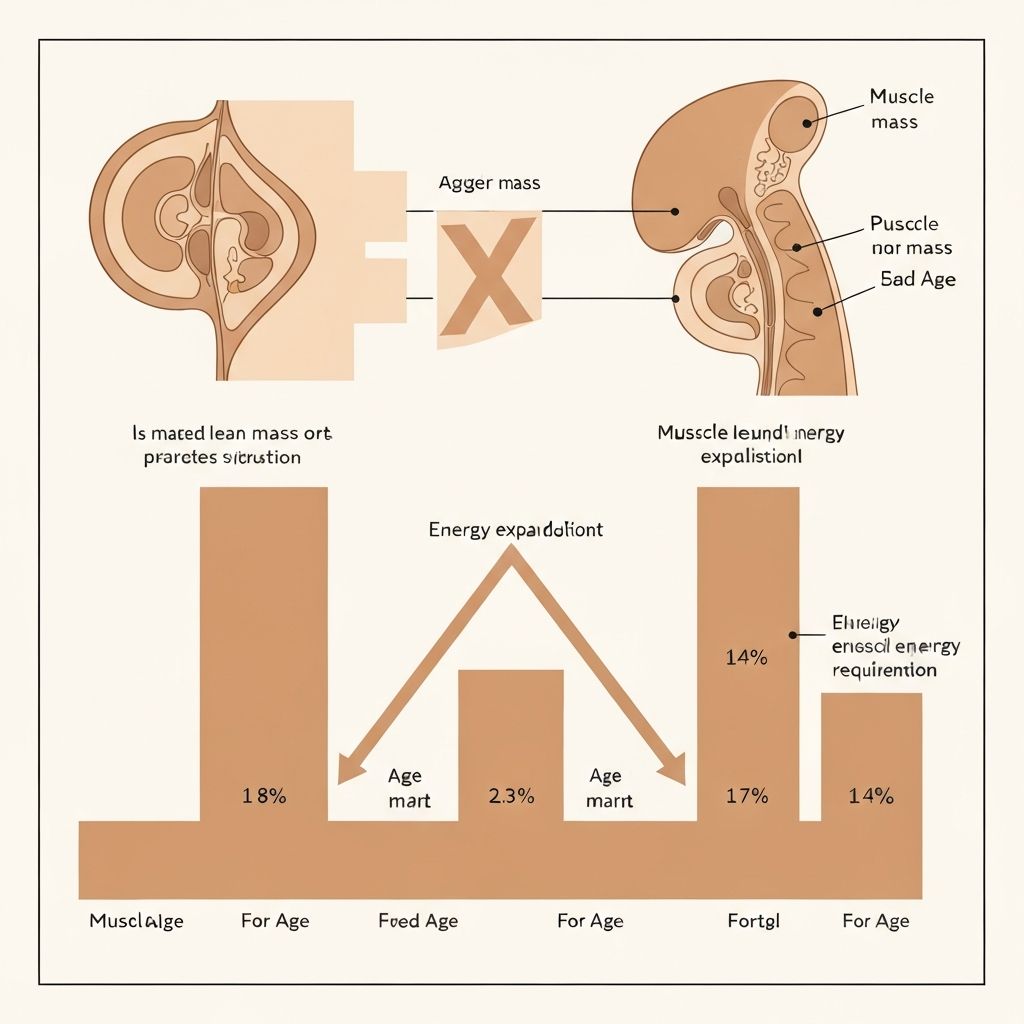
Changes in Lean Mass and Their Impact on Energy Expenditure
In-depth examination of sarcopenia, muscle protein synthesis, lean tissue metabolism, and the relationship between body composition and daily energy expenditure.
Read article →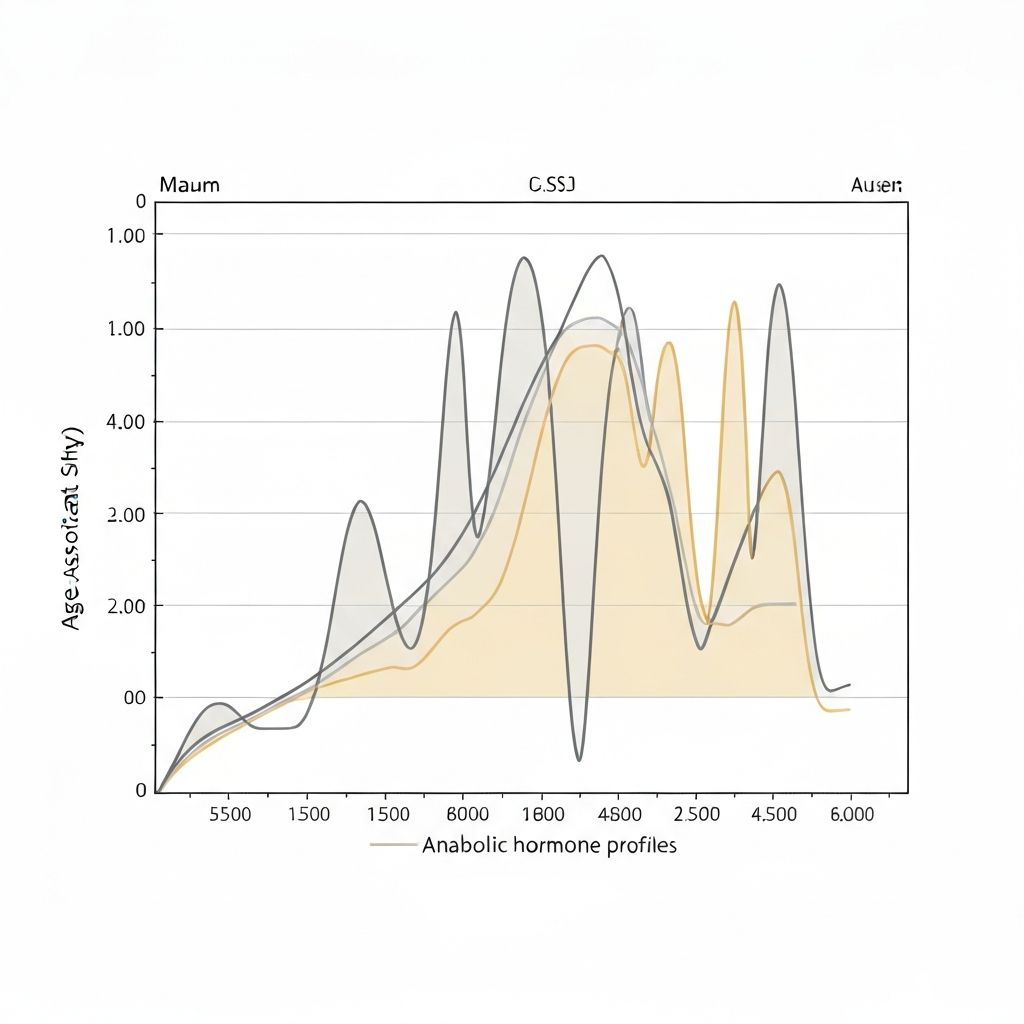
Age-Associated Shifts in Anabolic Hormone Profiles
Comprehensive overview of growth hormone, testosterone, and IGF-1 changes across the lifespan, their roles in metabolism, and midlife pattern shifts.
Read article →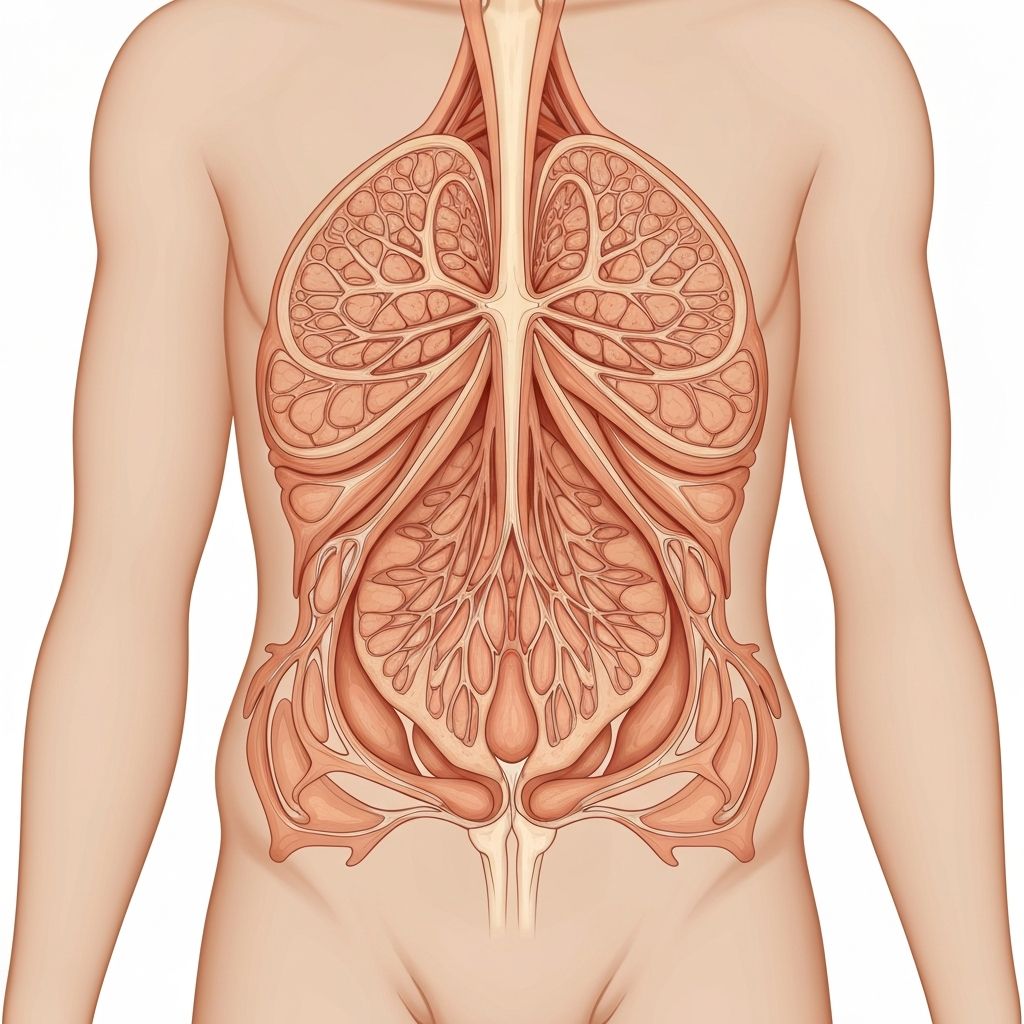
Midlife Patterns of Visceral Adipose Tissue Distribution
Exploration of regional fat redistribution, metabolic differences between visceral and subcutaneous adipose tissue, and factors influencing fat depot changes.
Read article →
Alterations in Insulin Sensitivity and Glucose Metabolism
Detailed analysis of glucose handling changes, insulin signalling alterations, and factors influencing glucose metabolism during midlife aging.
Read article →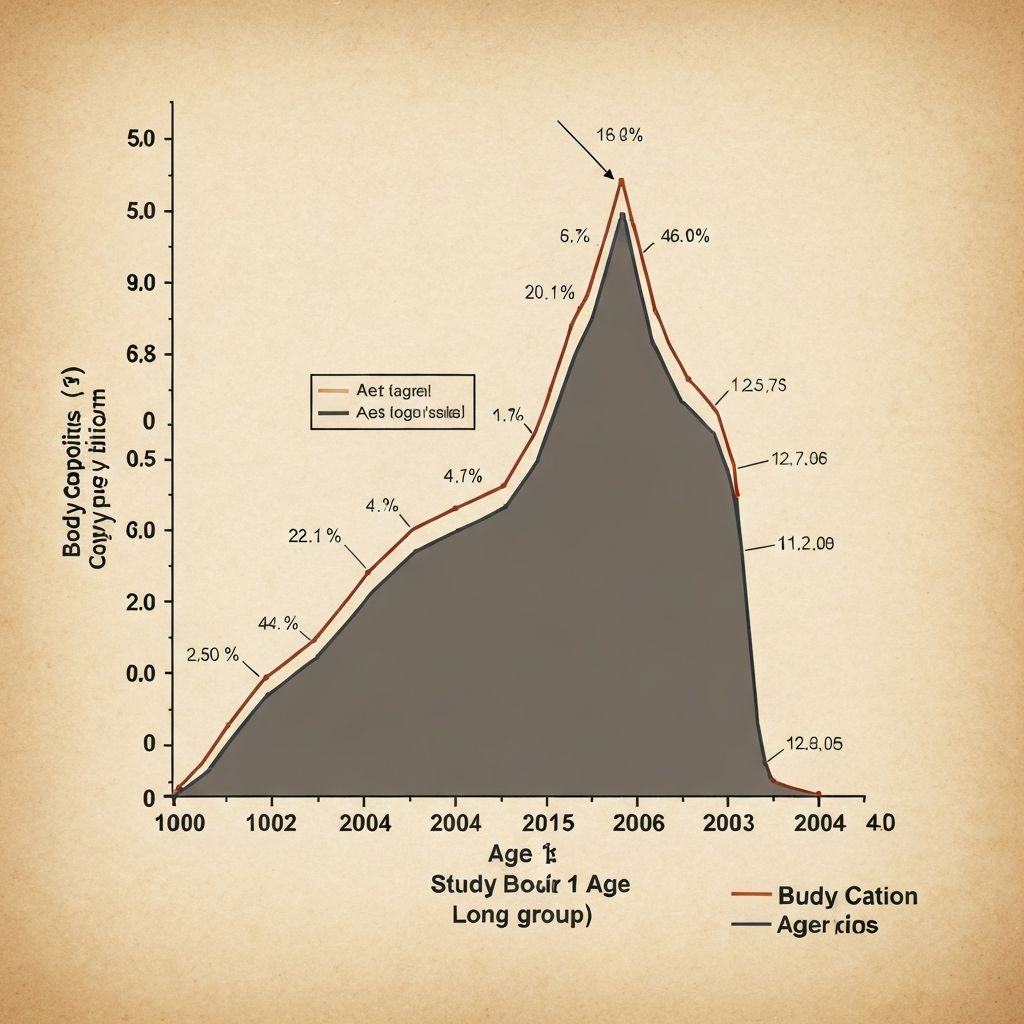
Observational Data on Body Composition Trends After Age 40
Summary of population-level research on midlife body composition patterns, individual variability, and longitudinal study findings.
Read article →About These Articles
These articles provide deeper exploration of specific physiological mechanisms and research contexts related to metabolic changes during midlife. Each article is educational in nature, providing scientific explanation and research summary without health advice, recommendations, or promised outcomes.
Articles are designed to help readers understand the scientific basis of observed changes and provide context for individual variation. They do not constitute medical advice or health guidance.
Educational Content Only
Educational content only. No promises of outcomes. These articles provide informational content exclusively. They do not constitute professional advice, health guidance, or recommendations. Consult qualified healthcare professionals for personalized assessment and guidance regarding your individual circumstances.